10 Best Tips for Sliding Door Installation You Should Know?
Sliding door installation can dramatically enhance both functionality and aesthetics in modern homes. According to a recent industry report, nearly 70% of homeowners seek sliding doors for their energy efficiency and natural light benefits. Homeowners also appreciate the seamless transition between indoor and outdoor spaces. However, improper installation remains a common issue that can lead to costly repairs and inefficiencies.
Many people underestimate the complexity involved in sliding door installation. Important factors include accurate measurements and the quality of materials used. Industry professionals recommend consulting accurate guidelines to avoid mistakes. In fact, data shows that 30% of DIY sliding door installations fail due to lack of proper planning. This statistic highlights the critical need for thorough preparation and understanding of the installation process.
It's crucial to acknowledge that even seasoned installers can face challenges. Uneven surfaces and misaligned tracks are frequent dilemmas that require reflexive problem-solving. Engaging with expert tips will not only simplify the process but also foster a better understanding of the unique demands of sliding door installation. By addressing these key aspects, homeowners can avoid pitfalls and achieve a successful installation.
Best Practices for Measuring Sliding Door Openings Accurately
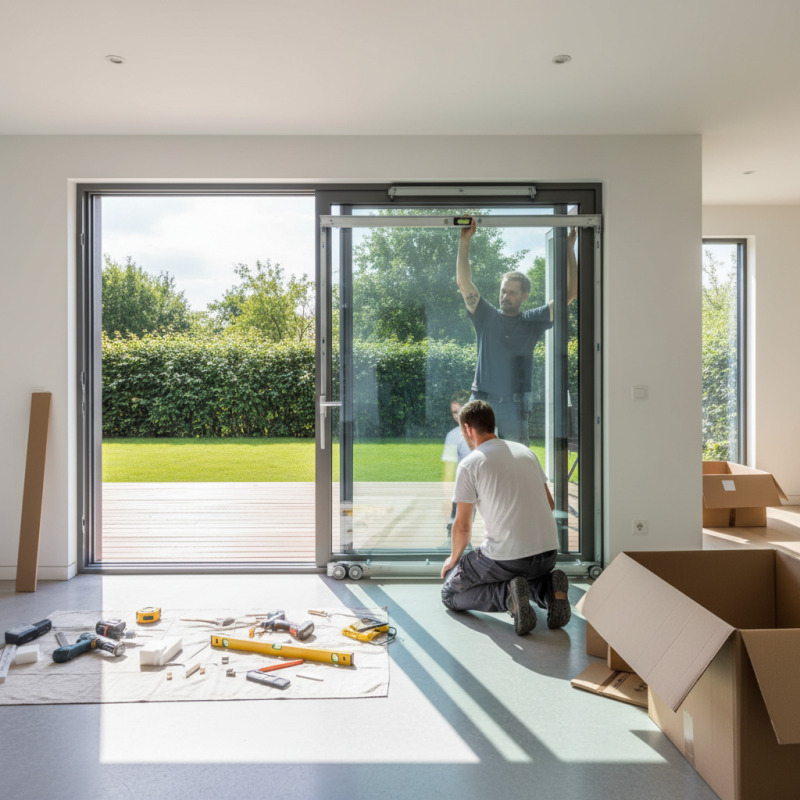
Measuring sliding door openings accurately is crucial for a successful installation. To begin, gather the right tools. A tape measure, level, and square are essential. Start by measuring the width of the opening at the top, middle, and bottom. It's common to find variations. Use the smallest measurement for the door width. This ensures a snug fit.
Next, measure the height from the floor to the top of the opening. Again, check at multiple points. Floors can be uneven, and a mismatch can lead to installation issues. Mark your measurements clearly. Mistakes often happen in this step. A simple miscalculation can complicate the entire installation process. Always double-check your figures before proceeding.
Beyond measuring, consider the surrounding area. Obstacles like light switches or moldings can interfere with door movement. Take those into account when planning your door's placement. Accurate measurements also help in choosing the right door type. You may find certain styles don't fit well in smaller openings. Overall, precision in measuring can save you time and hassle later on.
Essential Tools and Materials Required for Sliding Door Installation
When preparing for sliding door installation, having the right tools and materials is crucial.
Essential tools include:
- a level
- drill
- tape measure
- and a screwdriver
A level ensures the door hangs straight, while a tape measure helps you get accurate dimensions.
You might also need a
utility knife for trimming and a
rubber mallet for adjusting the frame.
A sturdy
workbench can provide a stable surface for assembly.
Materials are just as important. You'll need the
sliding door itself, which may come in various styles.
Make sure to gather the necessary hardware, like
tracks and
rollers.
Don’t forget
shims, which help to level the door.
Some people overlook these details. Mistakes happen often, like using the wrong size screws or not having enough shims.
These oversights can lead to complications during installation.
Preparing a
checklist can help you avoid these issues. Taking your time with the setup will yield better results.
Step-by-Step Guide to Installing Sliding Door Tracks and Frames
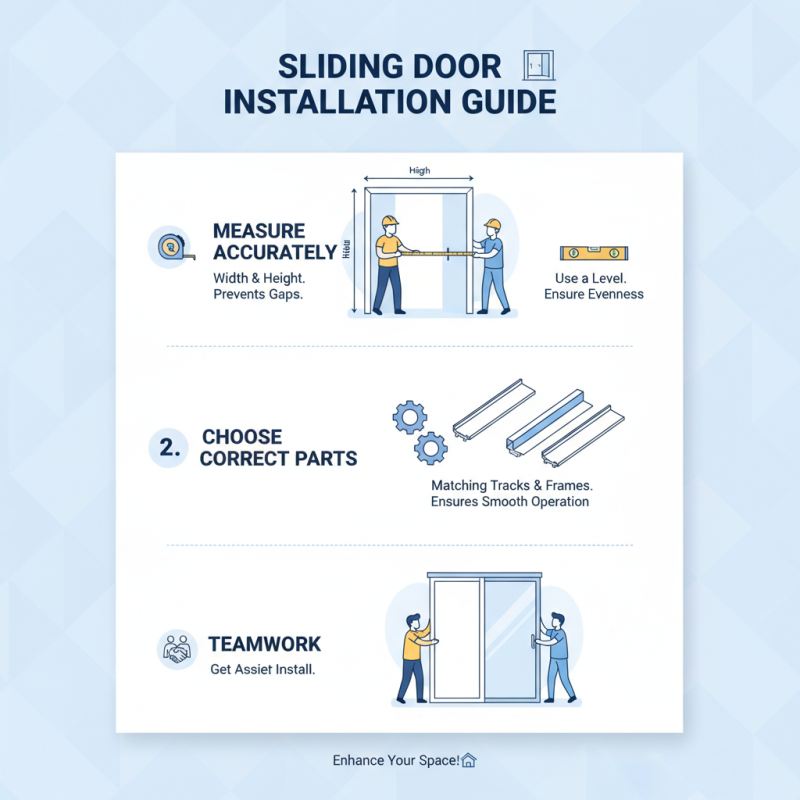
Installing sliding doors can enhance your living space. However, getting the tracks and frames right is crucial. Start by measuring the opening accurately. This step prevents gaps and ensures a snug fit. Use a level to check that your measurements are even. If not, you might face problems later. It’s helpful to have someone assist you during the installation.
Next, secure the tracks according to the manufacturer's instructions. This often involves drilling holes and using anchors. Pay attention to the spacing. Misalignment can cause the doors to stick or wobble. Once the tracks are in place, hang the sliding door carefully. Check it glides smoothly. If it doesn't, you may need to adjust the rollers. It's common to face hiccups, like mismatched sizes or uneven ground. Document these issues; they can guide future projects.
Common Mistakes to Avoid During Sliding Door Installation Process
Sliding door installation can seem straightforward, yet many overlook critical details that lead to issues. Research shows that nearly 30% of homeowners face problems due to improper installation. One common mistake is incorrect measurements. Taking precise measurements is crucial. If the frame doesn’t fit, the door won't operate smoothly, leading to frustration.
Another frequent error is ignoring the leveling of the track. An uneven track can cause doors to stick or fail, which may result in additional repair costs. According to industry reports, improperly installed sliding doors can decrease energy efficiency by up to 20%. This not only affects energy bills but can also create drafts inside the home, compromising comfort levels.
Finally, using subpar materials can lead to premature wear. Homeowners often opt for cheaper options, neglecting the long-term consequences. The average lifespan of sliding doors is around 20 years when installed correctly with quality materials. Low-quality options tend to fail within half that time, creating more headaches and added expenses later on.
10 Best Tips for Sliding Door Installation You Should Know
| Tip Number |
Installation Tip |
Common Mistake to Avoid |
| 1 |
Measure Twice Before Cutting |
Cutting incorrect sizes |
| 2 |
Choose the Right Hardware |
Using incompatible parts |
| 3 |
Install in Dry Weather |
Installing in wet conditions |
| 4 |
Level the Door Frame |
Not checking for level |
| 5 |
Ensure Proper Clearance |
Ignoring clearance requirements |
| 6 |
Secure the Tracks Well |
Loose or unstable tracks |
| 7 |
Use Shims for Adjustments |
Overlooking minor adjustments |
| 8 |
Check the Rollers |
Damaged rollers can cause issues |
| 9 |
Seal the Gaps |
Neglecting insulation and sealing |
| 10 |
Test the Door Functionality |
Failing to ensure smooth operation |
Maintenance Tips for Ensuring Longevity of Installed Sliding Doors
Proper maintenance of sliding doors is essential for their longevity. According to a report by the National Association of Home Builders, well-maintained sliding doors can last over 30 years. Regular cleaning is a cornerstone of this maintenance. Dust and debris can accumulate in tracks and rollers. This buildup may lead to malfunctioning doors or premature wear. To prevent this, clean the tracks monthly and inspect the rollers regularly.
Lubrication is another key factor. It is recommended to use a silicone-based lubricant on the tracks. This promotes smooth operation and reduces friction. Many owners overlook this step, leading to increased resistance. Additionally, check the alignment periodically. Misalignment can cause strain on the entire system. A simple adjustment may prevent major issues down the line.
Weather stripping also plays a vital role. It helps maintain energy efficiency and protects against moisture infiltration. Over time, weather stripping can degrade. Replacing it as needed can prevent drafts and potential water damage. The average homeowner saves between 10% to 20% on energy bills with proper sealing. Small maintenance tasks can have a significant impact on the lifespan of sliding doors, yet they are often forgotten. Regular attention to these details can avoid costly replacements in the future.
Maintenance Tips for Ensuring Longevity of Installed Sliding Doors