How to Choose the Right Residential Windows for Your Home Improvement Project
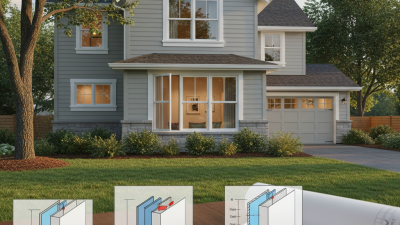
Choosing the right residential windows for your home improvement project is a critical decision that impacts both energy efficiency and aesthetic appeal. According to the U.S. Department of Energy, windows account for up to 30% of residential heating and cooling energy use, highlighting the importance of selecting windows that provide adequate insulation and reflectivity. With advancements in window technology, homeowners now have access to a variety of options, including double-glazed units and Low-E coatings, which can significantly enhance energy performance, ultimately reducing utility bills and improving comfort.
Moreover, the National Association of Home Builders reports that quality residential windows can also increase a home's resale value, making the choice even more significant for homeowners planning long-term investments. However, navigating through the myriad of styles, materials, and performance ratings requires careful consideration. Understanding the climate, architectural style, and personal preferences can help homeowners make informed decisions. This guide will explore essential factors to consider when selecting residential windows, ensuring your home improvement project not only meets your functional needs but also contributes to a sustainable and visually appealing living environment.
Understanding Your Home's Architectural Style and Needs
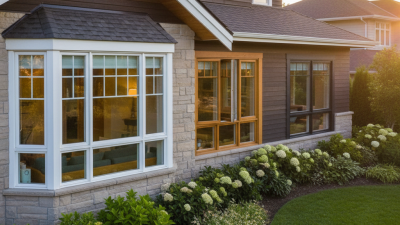
When selecting the right residential windows for your home improvement project, understanding your home's architectural style and needs is paramount. Different architectural styles, such as Colonial, Victorian, or Modern, have unique characteristics that influence the type of windows that will complement the overall aesthetic of your home. For instance, traditional styles often feature double-hung windows with symmetrical designs, while contemporary architecture may favor sleek, large panes that invite natural light. According to the American Institute of Architects, integrating window types that align with architectural authenticity can significantly enhance a home's value and curb appeal.
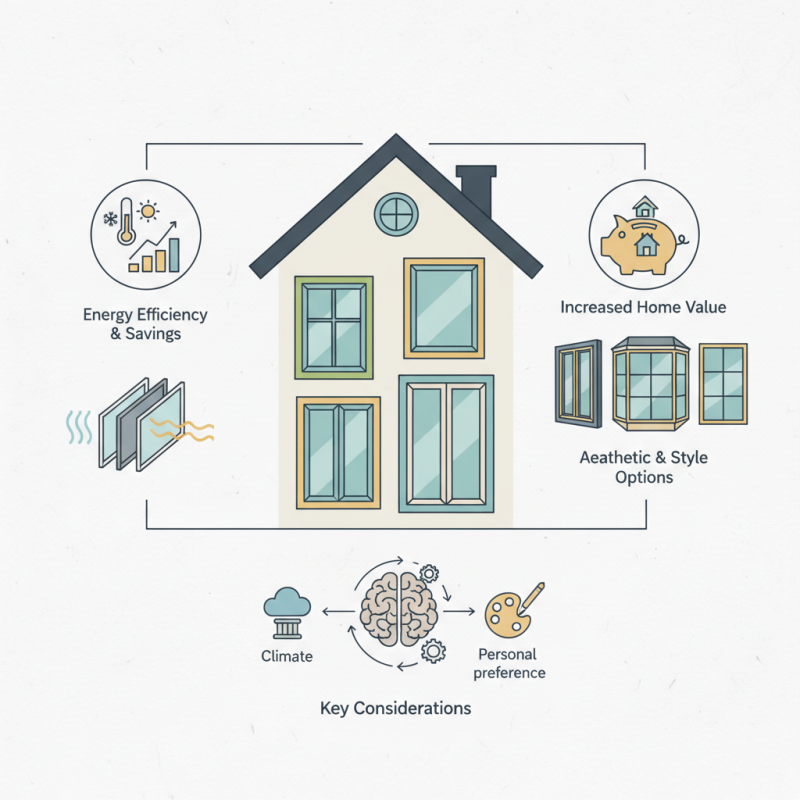
In addition to style, the specific needs of your home should also guide your window selection. Factors such as climate, energy efficiency, and functionality play critical roles in making the right choice. The U.S. Department of Energy reports that windows can account for 10-25% of a home's energy usage, emphasizing the importance of selecting energy-efficient models. Features such as Low-E coatings, gas fills, and proper insulation can help optimize energy performance, leading to reduced heating and cooling costs. Furthermore, understanding your home's orientation and the local climate can inform your decision, ensuring that your new windows not only align aesthetically but also function optimally in your environment.
Evaluating Different Types of Residential Windows Available
When evaluating different types of residential windows for your home improvement project, it's essential to consider the materials, energy efficiency, and styles available. Common materials include vinyl, wood, fiberglass, and aluminum, each offering unique benefits. Vinyl windows are popular for their low maintenance and energy efficiency, while wood provides a classic aesthetic with excellent insulation. Fiberglass windows are highly durable and can withstand extreme weather conditions, making them a great choice for varying climates. Aluminum is often favored for its strength and modern appearance, though it may not provide as much insulation as the other materials.
In addition to the materials, you should also consider the types of window styles, such as double-hung, casement, or sliding windows. Double-hung windows are versatile and easy to clean, while casement windows offer excellent ventilation and unobstructed views due to their design. Sliding windows are space-saving options that glide smoothly along a track, making them ideal for areas where outward-swinging windows may not be practical. Furthermore, evaluate the energy efficiency ratings of the windows, including features like Low-E glass and insulated frames, which can significantly reduce heating and cooling costs, enhancing the overall comfort of your home.
Assessing Energy Efficiency Ratings and Their Importance
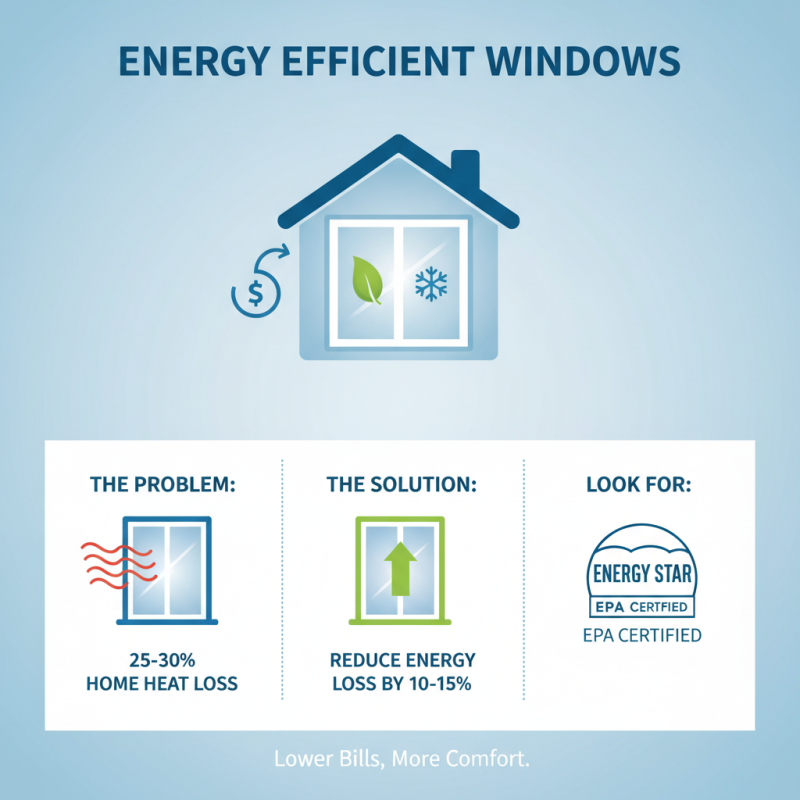
When selecting residential windows for your home improvement project, understanding energy efficiency ratings is crucial. Windows are a significant source of heat loss in homes, accounting for about 25% to 30% of residential energy consumption, according to the U.S. Department of Energy. Energy-efficient windows can significantly reduce this loss, lowering your heating and cooling costs by as much as 10% to 15%. When shopping for windows, look for the Energy Star label, which indicates that the product meets energy efficiency guidelines set by the U.S. Environmental Protection Agency.
To evaluate energy efficiency, pay attention to the U-factor, Solar Heat Gain Coefficient (SHGC), and Visible Transmittance (VT). The U-factor measures how well a window insulates against heat transfer; the lower the U-factor, the better the insulation. The SHGC indicates how much solar radiation is admitted through the window, affecting the amount of heat gained during warmer months. A lower SHGC is preferable in hot climates, while a higher rating can be beneficial in colder regions. Lastly, VT measures how much light enters a window; balancing natural light and energy efficiency is key for any homeowner.
**Tips:**
1. Opt for double or triple-pane glass windows, which provide better insulation than single-pane options.
2. Choose low-emissivity (Low-E) coatings to enhance heat retention in winter and minimize solar gain in summer.
3. Make sure to seal and install windows properly to maximize their energy efficiency potential, preventing air leaks that could increase energy costs.
Exploring Window Material Options: Pros and Cons
When selecting residential windows for home improvement, understanding the various material options is essential. Each window material comes with its own pros and cons, which can significantly influence performance, aesthetics, and maintenance. Common materials include vinyl, wood, aluminum, and fiberglass.
Vinyl windows are known for their energy efficiency and low maintenance, as they don’t require painting or staining. They also tend to be more affordable compared to other materials. However, extreme temperatures can compromise their durability, leading to warping or fading over time.
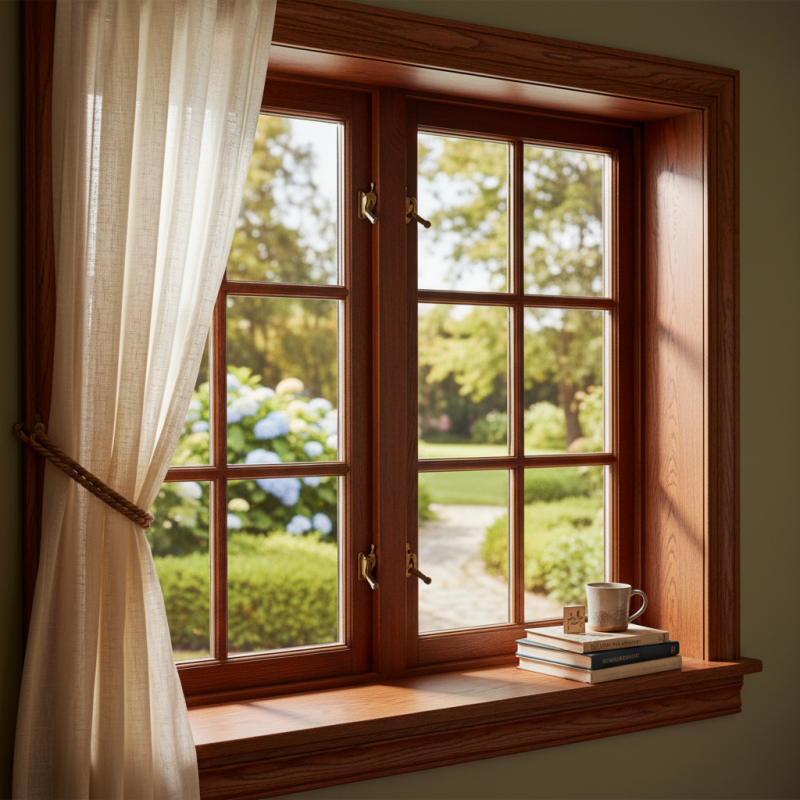
On the other hand, wood windows offer a classic and warm aesthetic that many homeowners appreciate. They provide excellent insulation but require regular maintenance to prevent decay and rot.
Aluminum windows are lightweight and durable, suitable for modern designs. They resist corrosion and are available in various colors. However, they may lack insulation and typically require thermal breaks to improve energy efficiency.
Lastly, fiberglass windows are incredibly strong and energy-efficient, resisting warping and fading better than other materials. Though initially more expensive, their longevity and performance can make them a worthwhile investment for homeowners aiming for a balance of durability and style.
Selecting the Right Window Installation Method for Your Home
When selecting the appropriate window installation method for your home improvement project, it is essential to consider the unique characteristics of your property and the type of windows you intend to install. According to the National Association of Home Builders (NAHB), over 70% of homeowners opt for replacement windows when renovating. The two primary installation methods are full-frame replacement and insert installation. Full-frame replacement is ideal for homes with significant framing damage or outdated window styles, as it allows for a complete overhaul of the window opening, offering enhanced energy efficiency and aesthetic appeal.
On the other hand, insert installation is a more straightforward and often less expensive option, where new windows are fitted into existing frames. This method is recommended if the current frames are in good condition and when homeowners aim to maintain the original window size and style. A study by the Efficient Windows Collaborative notes that proper installation can improve a window's energy performance by up to 30%. Therefore, understanding these methods and their implications on energy efficiency can significantly influence the long-term savings and comfort levels in your home. Properly assessing your choices will ensure that your window installation aligns with your renovation goals and enhances your home’s overall value.