How to Easily Repair Home Windows and Save Money?
Home window repair can seem daunting for many homeowners. However, with the right guidance, it becomes manageable and cost-effective. According to Michael Cole, a renowned expert in the home improvement industry, “Small repairs can save you big money in the long run.” This resonates deeply, especially when considering frequent home maintenance.
When faced with broken or cloudy windows, many may feel overwhelmed. Is hiring a professional the only option? Actually, several repairs can be attempted independently. Tasks like replacing weather stripping or fixing minor cracks might only require basic tools and a little dedication.
It’s crucial to remember that not every repair will be perfect on the first try. Home window repair demands patience and learning from mistakes. Embracing this process can pave the way for personal growth and future success in DIY endeavors. By tackling these repairs, homeowners have the opportunity to save money and boost their confidence in managing home improvements.
Common Types of Home Window Damage and Their Causes
Home windows can sustain various types of damage. Understanding these common issues can help homeowners tackle repairs more effectively.
One frequent problem is broken glass, often caused by severe weather or accidental impacts. Cracked or shattered glass reduces insulation and poses safety risks.
It's crucial to address this quickly.
Another common issue is moisture buildup between the panes. This usually indicates a failed seal. Such failures can lead to reduced energy efficiency.
Homeowners often notice fogging, which can make rooms uncomfortable. If left unattended, this issue can result in mold growth.
Window frames can also suffer damage. Wooden frames may rot due to consistent exposure to moisture. On the other hand, metal frames can corrode over time. Small chips and scratches can affect the overall appearance.
Repairing these requires careful attention to detail.
Identifying the source of the damage is essential for effective repairs. Understanding these issues helps in saving money on future costs.
Essential Tools and Materials Needed for Window Repair
When it comes to repairing home windows, having the right tools and materials is crucial. Essential tools include a putty knife, a caulking gun, and a utility knife for removing old seals. A tape measure ensures precise measurements for replacement glass or sash kits. According to the U.S. Department of Energy, proper window maintenance can lead to a 25% reduction in energy bills.
Materials are equally important. Choose high-quality caulk and weatherstripping to seal any gaps effectively. Clear silicone adhesive works well for glass repairs. For major fixes, consider purchasing a window replacement kit readily available at hardware stores. The Home Improvement Research Institute reported that homeowners can save up to 30% on repairs when they DIY rather than hire a professional.
Tips: Always wear protective gear like gloves and goggles when handling glass. Measure twice before cutting to minimize waste. This cautious approach can help avoid costly mistakes. If you're unsure, consult online forums or local workshops for guidance. Your willingness to learn will yield better results over time. The satisfaction of completing a repair yourself is a valuable experience.
Cost Comparison of Essential Tools for Window Repair
Step-by-Step Guide to Repairing Minor Window Issues
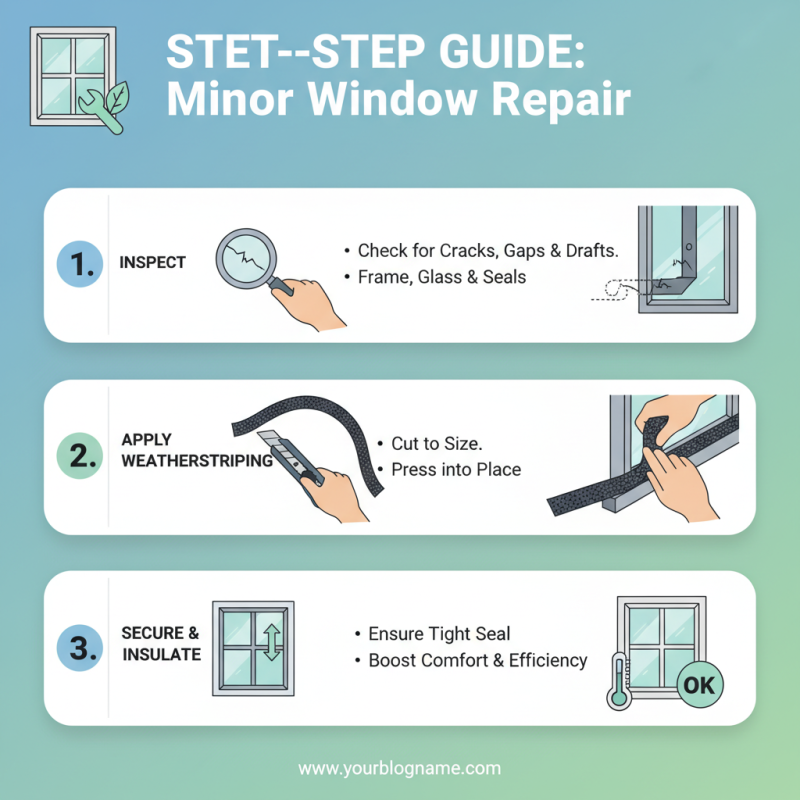
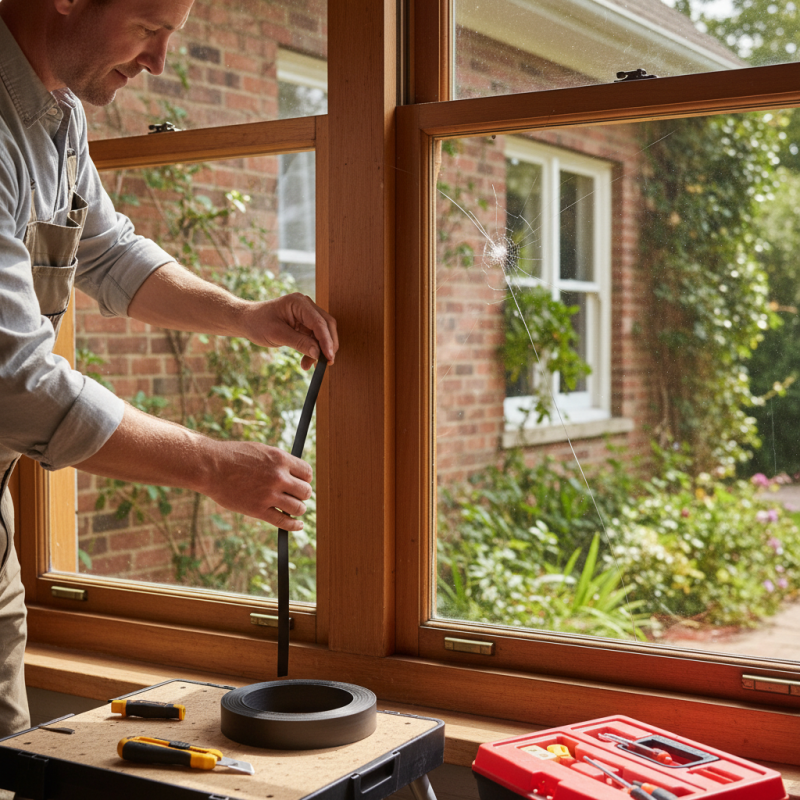
Repairing minor window issues can be straightforward and cost-effective. Start by inspecting the window for cracks or gaps. Look closely at the frame, glass, and seals. Notice any drafts? A simple fix is to apply weather stripping. This step can improve insulation and comfort. Use a utility knife to cut the stripping to size and press it into place. Check the corners for secure adhesion.
If you find chipped paint, sand the area lightly. Paint can prevent moisture damage. Choose a color that blends well. One coat often suffices, but it may require two. Remember, rushing can lead to a messy finish. For broken glass, measure precisely before replacing it. Wear gloves to protect your hands. Call a professional if you're unsure about handling the glass yourself. It’s crucial to ensure safety while managing repairs.
For even small repair jobs, having the right tools is essential. A putty knife and caulking gun can be invaluable. Measure twice to avoid mistakes. Sometimes, despite preparation, things don’t go as planned. Don’t be discouraged—take your time and reassess if needed. Learning through practice is part of the process. Each repair enhances your skills, making you more confident in future projects.
Tips for Replacing Window Glazing and Weatherstripping
Replacing window glazing and weatherstripping can significantly enhance the energy efficiency of your home. According to the U.S. Department of Energy, up to 25% of heating and cooling energy can be lost through windows. If your windows are older, this loss can be even greater. Addressing these issues not only helps save on energy bills but also improves indoor comfort.
To begin, inspect the existing weatherstripping. If it’s worn or damaged, replacing it is crucial. Weatherstripping often costs between $0.20 to $1.00 per linear foot, making it an affordable option. Choose materials that suit your climate. Foam tape is great for mild areas, while more durable options like vinyl are better for harsher conditions.
Next, consider the glazing. Cracked or loose glazing can allow drafts to enter. Replacing it improves the seal around the glass. A report from the National Association of Home Builders reveals that replacing dingle-pane glass with double-pane can reduce energy loss by 50%. The style and quality of the glazing matter, too. Researching proper installation techniques is essential. Be aware of measuring errors that can lead to wasted materials and time. Remember, windows are a vital part of your home’s integrity and efficiency.
When to Consider Professional Help for Window Repairs
When dealing with window repairs, knowing when to seek professional help is essential. Not all repairs can be handled easily. For example, if you notice significant cracks or water damage, it may be time to call in an expert. Improper repairs can lead to more extensive problems down the line. Expertise can save you money in the long run by ensuring the job is done right.
Consider your own skill level and tools available. If you lack experience in handling glass or insulation, it may be best to avoid DIY fixes. Attempting repairs without proper knowledge can be frustrating and may worsen the issue. Professionals have the training to address complex problems efficiently. They can assess the damage accurately and recommend the best course of action.
Don't overlook the value of peace of mind. Hiring a professional ensures your windows are safe and reliable. If you're feeling overwhelmed or uncertain, it's perfectly okay to ask for help. Reflect on past experiences with home repairs. Learning from previous mistakes can guide you. A wise choice could prevent unnecessary headaches and costs in the future.