How to Effectively Repair Home Windows for Better Energy Efficiency
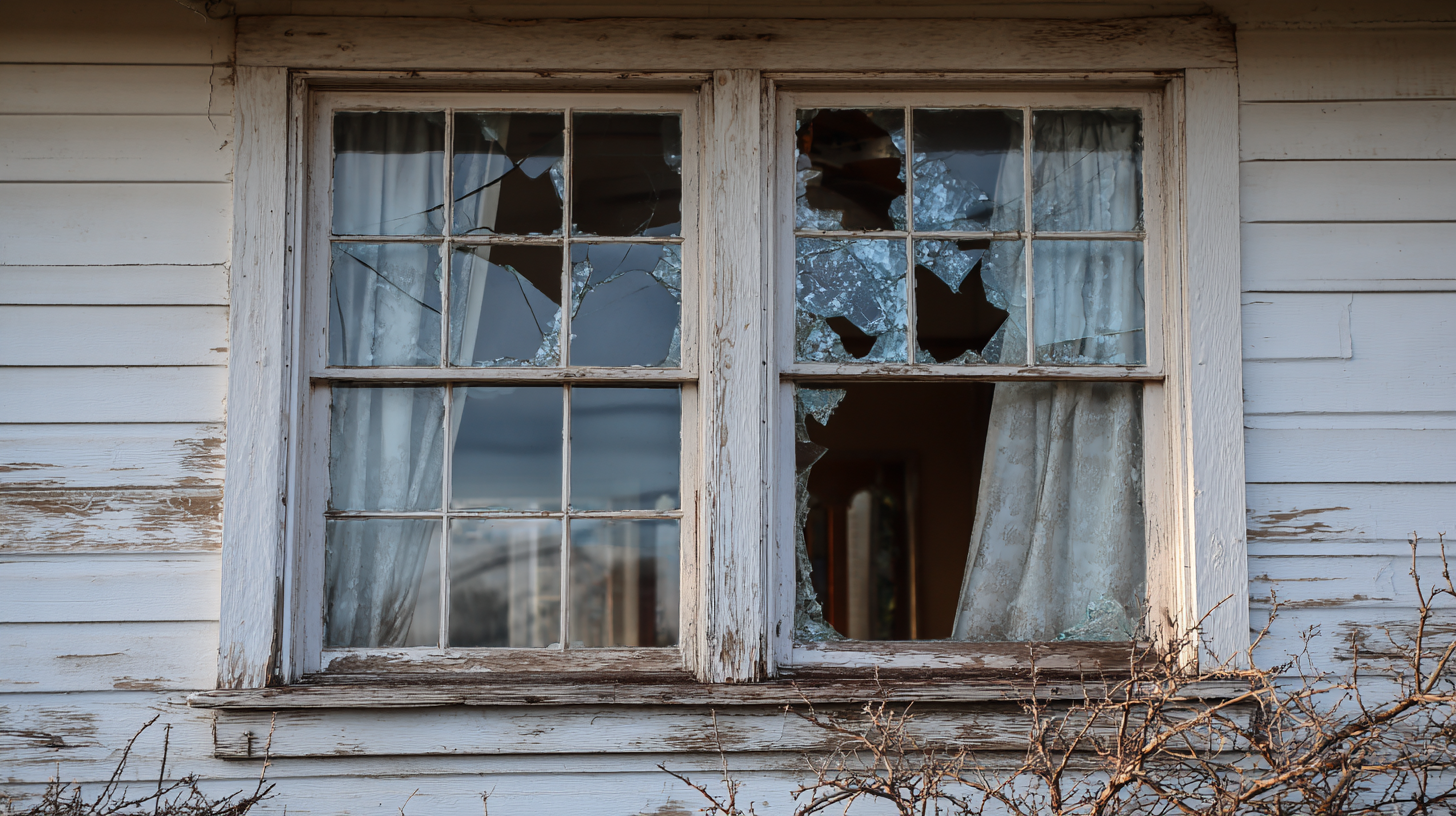 Home window repair plays a crucial role in enhancing energy efficiency in residential properties. According to the U.S. Department of Energy, windows account for nearly 25-30% of residential heating and cooling energy use. Inefficient windows can lead to significant energy loss, costing homeowners hundreds of dollars annually. By undertaking effective repair strategies, homeowners can dramatically reduce energy consumption and improve comfort levels within their homes.
There are various repair methods that can be employed to optimize the performance of windows. For example, sealing drafts and replacing worn weatherstripping can help prevent air leaks, which often contribute to energy inefficiency. A recent report by the National Renewable Energy Laboratory indicates that proper sealing can save homeowners between 10-20% on their energy bills. Furthermore, upgrading single-pane windows to double or triple-glazed options can also provide substantial energy savings, as they are specifically designed to minimize heat transfer.
In conclusion, investing in home window repair not only enhances energy efficiency but also contributes positively to the environment by reducing overall carbon footprints. By applying effective repair techniques and staying informed on industry best practices, homeowners can significantly improve their energy usage, leading to more sustainable living conditions and cost savings in the long run.
Identifying Common Window Issues That Decrease Energy Efficiency
Identifying common window issues that decrease energy efficiency is crucial for homeowners aiming to minimize energy costs and enhance comfort. According to the U.S. Department of Energy, windows account for up to 30% of a home’s heating and cooling energy use. One prevalent issue is air leakage, which can occur around the window frames or at the sash. A study by the American Council for an Energy-Efficient Economy (ACEEE) indicates that sealing air leaks can reduce energy bills by up to 10% annually, making it a cost-effective first step in window repair.
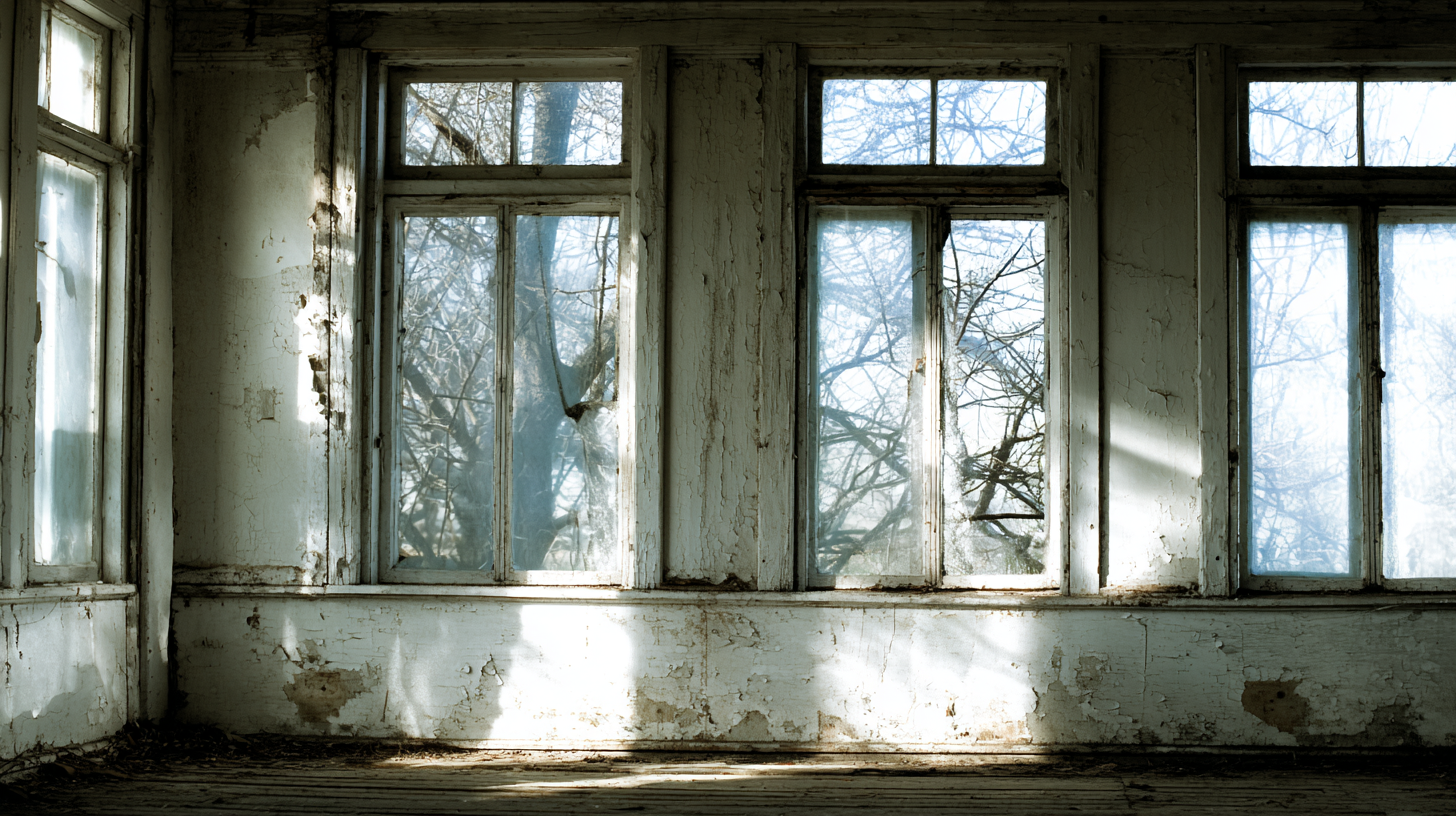
Another significant problem is inadequate insulation, which can lead to significant temperature fluctuations inside the home. Energy Star estimates that replacing old, single-pane windows with energy-efficient double or triple-pane options can save homeowners between $126 to $465 per year, depending on the climate and size of the home. Additionally, cracked or broken glass not only compromises security but also diminishes thermal resistance, further pushing up energy expenditure. Regular inspection and maintenance can help identify these issues early, ultimately leading to better energy efficiency and lower utility bills.
Essential Tools and Materials for Window Repair Projects
When it comes to repairing home windows for improved energy efficiency, having the right tools and materials is essential. Start with a basic toolkit that includes items like a putty knife, utility knife, and a caulking gun, which will allow you to effectively remove old caulk and replace it with new, energy-efficient sealants. Additionally, a measuring tape and level are critical for ensuring your windows are properly aligned and sealed during the repair process.
In terms of materials, opt for high-quality weatherstripping and insulation foam to help minimize drafts and enhance energy conservation. Depending on the damage, you may also need replacement glass or window panes. Using double-pane or low-E glass can significantly improve thermal performance. Don’t forget safety gear such as gloves and goggles while working on your windows, as these will protect you from potential hazards during repairs. By equipping yourself with the right tools and materials, you can ensure a more efficient and successful window repair project, ultimately leading to a cozier home and lower energy bills.
Step-by-Step Guide to Sealing Air Leaks in Home Windows
Sealing air leaks in home windows is a crucial step towards improving energy efficiency and reducing heating and cooling costs. Start by identifying areas where air might be seeping in, typically around the frames and sashes. A simple way to locate leaks is to perform a visual inspection or use a candle to spot flickering flames near window edges. Once you've identified the leaks, clean the area to remove dust and debris, ensuring better adhesion for the sealing material.
When it comes to sealing, there are various materials to consider. Weatherstripping is an excellent option for movable parts of the window, while caulk works well on stationary components. For an effective application, ensure that the weatherstripping fits snugly and that caulk is applied in a continuous bead without gaps.
**Tips:**
Ensure you choose the right type of weatherstripping for your window style—adhesive strips are great for easy installation, while foam tape offers better insulation. Regularly check your seals, especially before the colder months, to maintain an energy-efficient home. Lastly, consider using window film as an additional barrier against drafts, enhancing both efficiency and comfort during extreme weather.
Energy Efficiency Improvements from Window Repairs
This chart demonstrates the estimated energy savings from various window repair methods. Sealing air leaks and caulking windows yield the highest energy savings, making them effective strategies for improving energy efficiency in homes.
Upgrading Window Insulation: Choosing the Right Films and Treatments
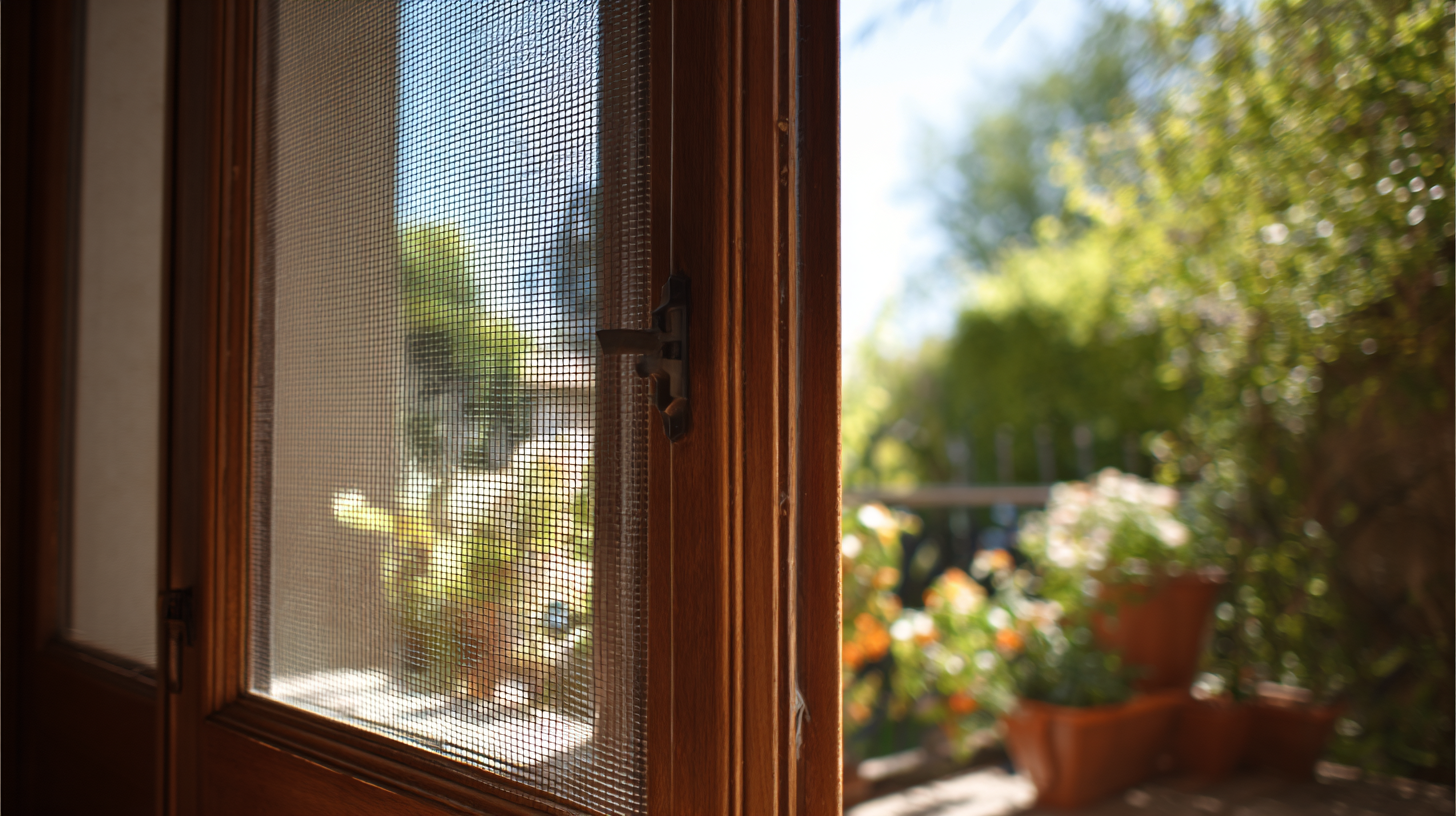 Upgrading window insulation is a crucial step in improving a home's energy efficiency. One effective method to enhance insulation is by applying window films. These films act as a barrier against heat loss in the winter and heat gain in the summer, significantly reducing energy costs. When selecting window films, it's important to consider factors such as the film's solar heat gain coefficient (SHGC) and its ability to block UV rays. High-quality films can block up to 99% of harmful UV radiation while allowing natural light to filter through, creating a comfortable and energy-efficient home environment.
In addition to window films, there are various other treatments to consider. For example, thermal curtains or shades can provide an extra layer of insulation by trapping air and minimizing heat transfer. Cellular shades are particularly effective, as they are designed with air pockets that offer superior insulation. Moreover, using weatherstripping or caulking around window frames can help seal any gaps where air might escape, further enhancing the overall thermal performance. By combining these treatments thoughtfully, homeowners can effectively minimize energy loss through windows, ultimately leading to a more sustainable and cost-effective living space.
Regular Maintenance Tips to Ensure Long-Term Energy Efficiency in Windows
Proper maintenance of home windows plays a crucial role in enhancing energy efficiency, which can significantly reduce heating and cooling costs. According to the U.S. Department of Energy, windows account for approximately 25-30% of residential heating and cooling energy use. Regularly checking for drafts, sealing any gaps, and ensuring windows are properly insulated can help minimize energy loss.
Tips for maintaining your windows include: first, inspect the weatherstripping at least once a year, replacing it if it appears worn or damaged. In addition, consider applying a window film to reduce heat transfer, which can improve insulation and help lower energy bills by up to 15%. Lastly, scheduling a professional window inspection every few years can catch any potential issues before they become more costly repairs, ensuring your windows remain effective for the long term.
Implementing these maintenance practices not only enhances the longevity of your windows but also contributes to a more sustainable home environment. By increasing their energy efficiency, homeowners can enjoy greater comfort while also positively impacting their utility bills and the planet.