What is Residential Window Replacement and Why Do You Need It?
Residential window replacement is not just a renovation; it's an essential upgrade for your home. According to Mark Thompson, a well-known expert in the window industry, "Investing in quality windows improves energy efficiency and enhances aesthetic appeal." This highlights a vital aspect of residential window replacement: it serves both form and function.
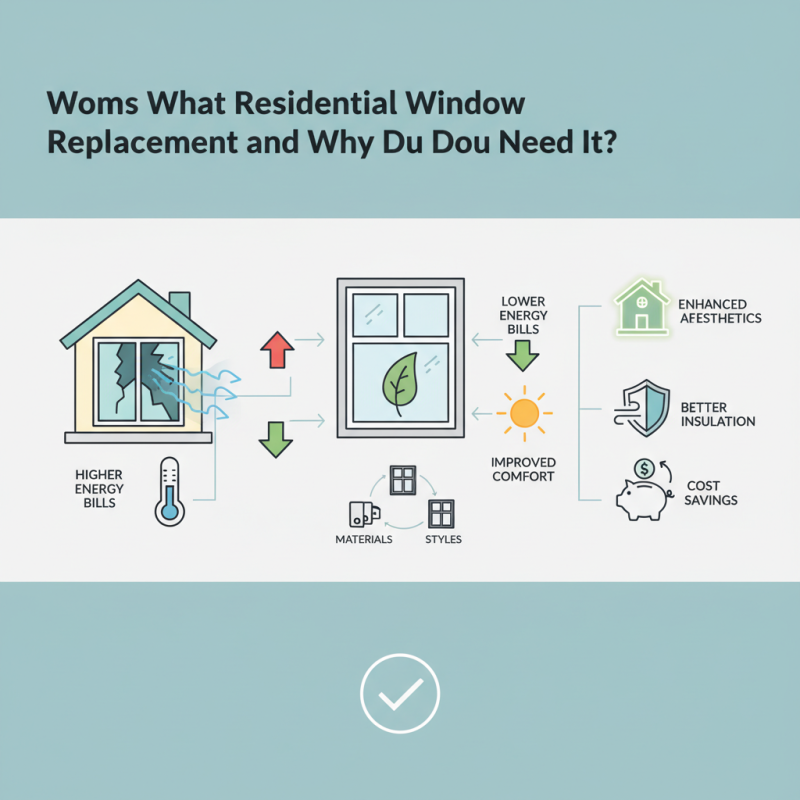
Old or damaged windows lead to higher energy bills and reduced comfort. Many homeowners overlook the signs, but ignoring them can lead to more significant issues. Cracks, drafts, and condensation are clear indicators that it might be time for replacement. Quality windows can dramatically improve a home’s insulation, making it more energy-efficient and cost-effective.
Making the decision to replace your windows involves more than just aesthetics. It requires thoughtful consideration of materials, styles, and energy ratings. This industry is filled with choices that can confuse many. Ultimately, residential window replacement is a worthwhile investment. Choosing the right windows can transform your home’s environment and save you money over time.
Understanding Residential Window Replacement
Understanding residential window replacement involves recognizing its importance in enhancing home comfort and energy efficiency. Old windows often leak air, leading to increased heating and cooling costs. When windows are outdated, they can also compromise your home’s security. Replacing them can dramatically improve your home’s performance and safety.
Quality materials and installation are crucial for effective window replacement. Standard windows may not be suitable for all homes. Each property has unique needs based on climate and architectural style. For instance, homes in colder regions require windows that provide excellent insulation. Reflection on choosing the right style and material can yield significant long-term benefits.
Choosing a reliable contractor adds to the process's complexity. Consider research on their experience and credentials. A thorough interview process is essential. Watch out for signs of poor workmanship. Take your time when making a decision, as the right windows can enhance both appearance and energy efficiency.
Understanding Residential Window Replacement
This bar chart illustrates the various reasons for residential window replacement. The primary motivation is energy efficiency, followed by aesthetic improvements, increased property value, noise reduction, and UV protection.
Key Reasons for Residential Window Replacement
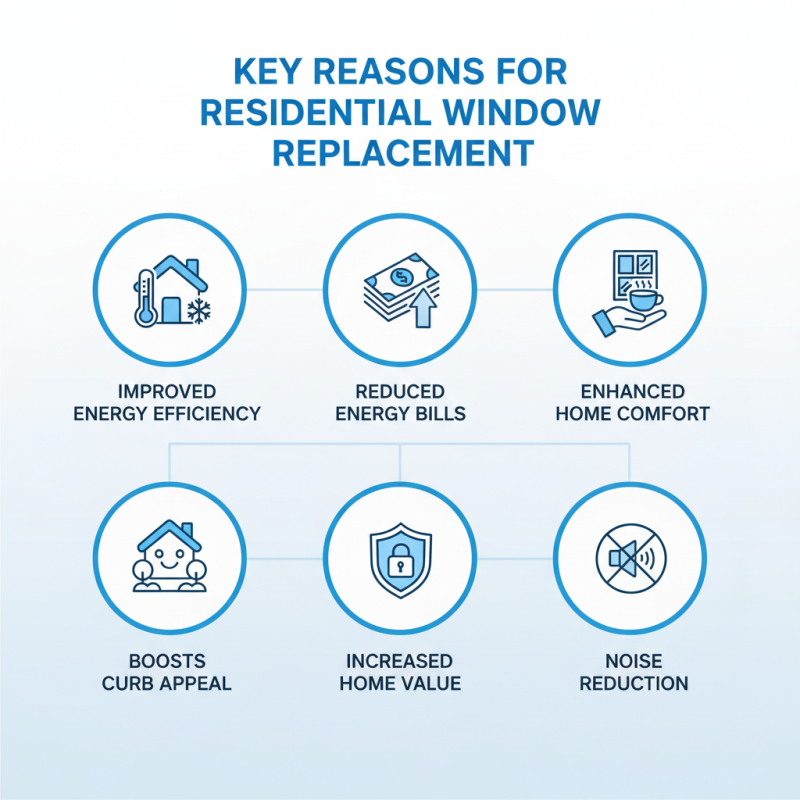
Residential window replacement is more than just an upgrade. It serves several vital purposes that enhance your home’s overall value and comfort. Over time, windows can develop gaps, leading to drafts and heat loss. This not only raises energy bills but also makes your living space less inviting. New windows improve insulation, keeping your home warm in winter and cool in summer. The right replacement can also boost curb appeal, making your home more attractive from the street.
Another key reason for residential window replacement is the enhanced security it offers. Older windows often come with outdated locks and fragile glass, making them easy targets for intruders. Modern windows feature advanced locking systems and stronger materials. This provides peace of mind, knowing that your loved ones are safe. Additionally, new windows can filter harmful UV rays. This protects your furniture, flooring, and artwork from fading.
Many homeowners hesitate to replace windows due to perceived costs. Yet, delaying this can lead to higher energy expenses and more significant damage over time. Drafty windows allow moisture to enter, potentially causing mold issues. Investing in window replacement now could save you money in the long run. It's essential to weigh these factors when considering the state of your windows.
Signs That Indicate You Need to Replace Your Windows
Windows are crucial for home aesthetics and energy efficiency. Over time, they may show signs of wear that signal it's time for a replacement. Common indicators include condensation between panes, which suggests seal failure. According to the U.S. Department of Energy, about 25-30% of a home's heating and cooling energy is lost through windows. If your energy bills skyrocket, it might be due to poor insulation from your aging windows.
Another sign is visible damage. Cracked or warped frames compromise your home’s security. The National Association of Home Builders reports that 72% of homeowners consider window replacement to enhance their home’s value. If your windows are outdated, they may not meet current energy standards, impacting both comfort and safety. Aesthetic issues, like peeling paint or faded finishes, also suggest the need for new windows.
Finally, consider the sound insulation. If outside noise seeps in, your windows may no longer serve their purpose. The American Institute of Architects states that proper window replacement can reduce noise levels significantly. Trust your instincts; if something feels off about your windows, it’s essential to evaluate them. Ensuring your home remains comfortable starts with recognizing these signs and taking action.
What is Residential Window Replacement and Why Do You Need It? - Signs That Indicate You Need to Replace Your Windows
| Sign |
Description |
Impact |
| Drafts |
Feeling drafts around windows indicates poor insulation. |
Increased energy bills and discomfort. |
| Condensation |
Moisture trapped between panes suggests seal failure. |
Potential for mold growth and reduced visibility. |
| Difficulty Opening |
Windows that are hard to open or close may be warped. |
Risk of injury and compromised security. |
| Outside Noise |
Excessive noise from outside suggests poor sound insulation. |
Decreased comfort and livability. |
| Fading Furniture |
Furnishings near windows that fade rapidly. |
Indicates UV exposure, leading to potential long-term damage. |
The Window Replacement Process: Step-by-Step Guide
Replacing residential windows can seem daunting. However, breaking the process down step-by-step makes it manageable. Start with an assessment. Check your current windows for drafts, moisture, or damage. Document what you find. This step is crucial for understanding your needs.
Next, measure your windows carefully. Accurate measurements ensure a proper fit for your new windows. Mistakes here can lead to significant issues later. Choose your materials and styles wisely. Consider factors like energy efficiency and aesthetics. Research what works best for your home.
Once you've made your selections, it's time to order your windows. This wait can be frustrating, especially if you're excited to start. When the windows arrive, prepare your space. Clear the area around your windows. This helps the installation team work efficiently. During installation, watch for any mistakes. Don’t hesitate to ask questions. Engaging in the process ensures you get what you expect.
Costs and Budget Considerations for Window Replacement
When considering residential window replacement, budget is a key factor. The costs can vary significantly depending on materials, window styles, and installation complexity. Basic vinyl windows might start around $300 each, while custom wood frames can exceed $1,000 per window. The investment is often justified by increased energy efficiency and improved home aesthetics.
Installation expenses are another important consideration. Professional installation usually costs between $100 to $300 per window. Homeowners should also factor in potential extra costs, such as repairs to the surrounding framing or drywall. It’s not uncommon for unexpected expenses to arise during the process, which can strain a tight budget.
Planning ahead is crucial. Obtain several estimates to gain a clearer understanding of local pricing. Prioritize your needs and make informed choices about materials. It’s essential to understand that cutting corners on quality can lead to higher long-term costs. Balancing initial expenditures with potential savings from better energy performance will pay off. However, this requires careful thought and reflection on your specific needs and financial situation.